Drones have been causing issues with both the law and U.S. citizens since they exploded in popularity a few years ago. There have been countless stories of people clashing and violence occurring when drones are involved in flying over private property. With issues of privacy and a fear of governmental and private spying and intrusion on private life, it makes sense that drones are viewed with suspicion — not that that justifies harming the operator or damaging someone else’s private property. Now, it seems as though a new law that was just enacted in my home state of Florida is going to make flying a drone even more financially risky.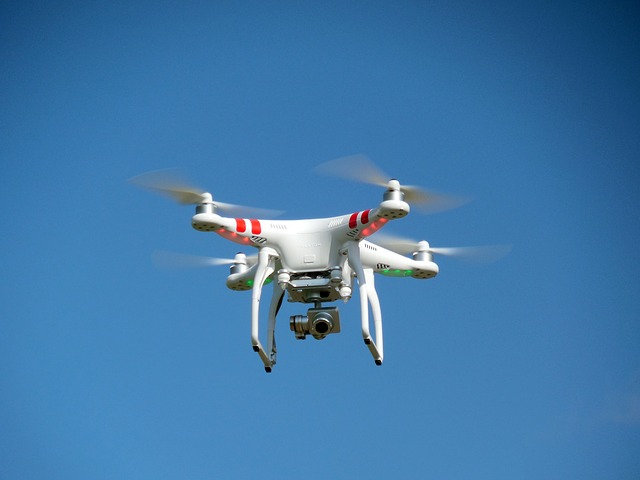
Florida Governor Rick Scott had signed the Freedom from Unwarranted Surveillance Act (FUSA) and it took effect on July 1st. This act is meant to prohibit a person, governmental agency, or political party or subdivision to use drones from taking pictures and capturing video of a person’s private property or the people on said private property (regardless of whether they are the owner, an occupant, or simply a visitor) with the intent to conduct surveillance and spy on their private and personal lives. The law makes it so that a drone operator must get written consent from the people on said private property if they want to use the drone in this manner, especially if the people have a reasonable expectation of privacy on their own property. The law applies to both private citizens as well as law enforcement and goes along with a previous law that require police to get a warrant to use drones for evidence collection. It also doesn’t apply to certain businesses or professions that are licensed by the state for certain reasons.
With the option to sue using this law as support, it’s going to become much more difficult for people and agencies to get insured against damage and lawsuits. It also means that many companies that rely on drones for their businesses are going to be bringing lawsuits against the state of Florida for infringing on their ability to conduct business in a free and fair way. Drones are used by insurance companies to scope out damage in hard to reach places and hazardous environments so that they can gather information more quickly and with less chance of putting someone in a dangerous position. While it remains to be seen how this will play out (after all, the law is relatively new), I can already foresee a host a lawsuits from both private citizens and corporations aimed at this law.
If you’d like to read more, the link is here.
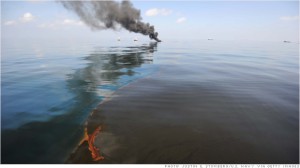 According to a recent news article put out by the JURIST online archives, BP is paying 18.7 billion dollars in restitution and penalties due to the 2010 oil spill in the Gulf of Mexico. The settlement, considered to be one of the largest in US history, is an addition to the previous payment of $43.8 billion they had to pay in penalties and clean up fees. The settlement sum will be split between the Clean Water Act ($12.8 B) ,and the rest ($4.9 B) will be distributed among the states that were affected by the spill.
  The past few months have been loaded with bits and pieces of information regarding travels to Cuba, and the normalization of our relationship with the next door neighbor. As our partnership with the country continues to improve, it is imperative for us to become familiar with Cuban legislature and its laws. It has been over 50 years since the Cuban Embargo was put in place, and establishing appropriate channels to exchanging legal information and policies will be very helpful towards tourism between both countries.
 David Solomon, a law professor at the University of California at Berkeley, believes that the fate of law programs and law graduate is going to drastically change in the next few decades.
 Lawyers are often judged not only by their oratory and interaction skills in the courtroom, but also on their writing capabilities. Someone’s legal writing style differs due to a wide range of circumstances, such as the size of the firm they work for and the amount of resources offered, as well as the magnitude of the case and its specific requirements, which differ case by case. Bryan A. Garner has an extensive career as a lawyer, guest speaker and writer. He is well known for his
  A recent lawsuit was settled between the United States and a New York resident who claimed that the DEA (Drug Enforcement Administration) created a Facebook profile page featuring her in skimpy attire, other compromising situations, as well as photos of her and her relatives and underage son. Although the government does not admit to any fault, they did settle with the plaintiff for the amount of 134,000 dollars.
 This month, six attorneys were convicted in a case that included a billion dollar fraud from partners and lawyers at a South Florida firm. The organization’s ex administrator helped prosecutors pin down the attorneys involved in the scheme, in exchange for cutting down her prison stay from ten to five years.